

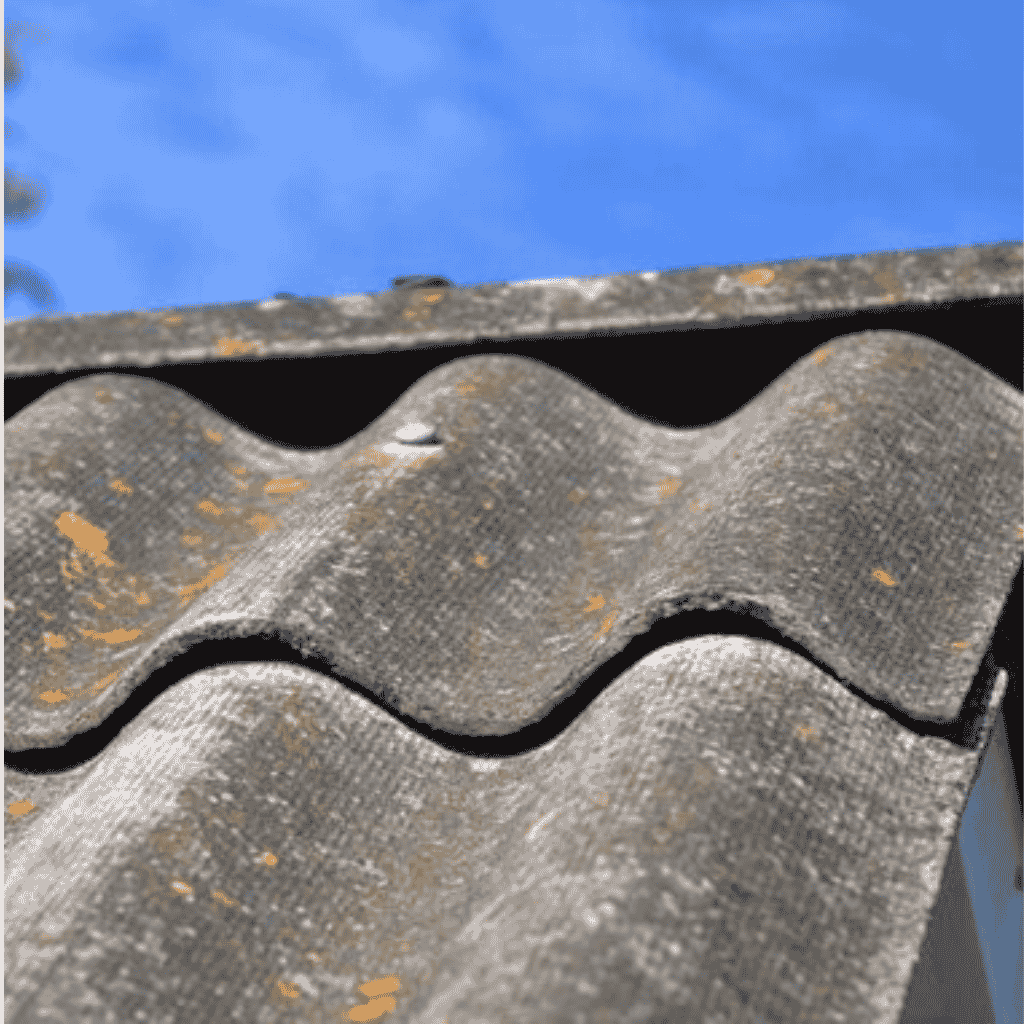
Years ago, asbestos roofing sheets were the standard for Ghanaian construction due to their affordability and heat resistance. Despite growing health concerns, these materials remain visible atop older buildings across Accra, Kumasi, and beyond. However, the cost-effectiveness of asbestos comes with a significant price: documented health hazards. This article explores the risks of asbestos exposure in the Ghanaian climate and why modern builders are pivoting toward safer alternatives.
Understanding Asbestos Roofing: Composition and History
Asbestos roofing sheets—often referred to locally as “fibro” or “AC (Asbestos-Cement) sheets”- are composite materials manufactured from a durable blend of cement and Chrysotile (white asbestos) fibres.
Originally engineered for military infrastructure due to their resilience and fire-resistant properties, these sheets eventually transitioned into the civilian market. Today, they remain a common sight in residential and commercial architecture across the globe.
Common Types of Asbestos Sheets in Ghana
In the Ghanaian construction market, asbestos roofing is primarily categorised into two functional designs:
-
Corrugated Asbestos Sheets: Known for their wavy profile, these provide superior structural strength and efficient water runoff. Corrugated asbestos sheets are commonly used for residential and industrial buildings. They are made in a wavy form with ridges that make them rigid and strong. Like corrugated metal panels, corrugated asbestos sheets are used for other purposes, such as wall sliding.
-
Asbestos Flat Sheets: Typically used for ceiling boards, cladding, or partition walls where a smooth surface is required. An asbestos flat sheet, as the name suggests, is usually flat and smooth. They come in white to grey colours, and they can be used for both external and internal projects.
READ ALSO: The 3 common types of roofing in Ghana and their prices
The Pros and Cons of Asbestos Roofing Sheets in Ghana: What You Need to Know
Asbestos roofing sheets were once the gold standard for construction in Ghana, favored for their incredible durability and heat resistance. However, as modern construction evolves and health awareness grows, many homeowners are questioning whether the low cost is worth the long-term risk.
If you are considering roofing a new project or renovating an old building in Accra, Kumasi, or beyond, here is a detailed breakdown of the advantages and disadvantages of asbestos roofing.
Advantages of Asbestos Roofing Sheets
Despite the health controversies, asbestos remains popular in certain sectors of the Ghanaian market for several practical reasons:
-
Cost-Effectiveness: Compared to premium aluminum or shingles, asbestos sheets are relatively inexpensive, making them an attractive option for low-budget housing projects.
-
Weather Resistance: Ghana’s tropical climate can be harsh. Asbestos is highly resistant to heavy rainfall, salty sea breezes in coastal regions (it doesn’t rust like cheap iron sheets), and intense UV radiation.
-
Thermal Insulation: Asbestos has natural fire-resistant properties and provides decent insulation, helping to keep interiors slightly cooler during the hot, dry season.
-
Low Maintenance: Once installed, they require very little attention and do not corrode or decay easily over time.
Disadvantages & Health Risks of Asbestos Roofing
The shift away from asbestos isn’t just a trend; it is a response to serious safety concerns that every Ghanaian homeowner should take seriously.
-
Severe Health Hazards: The biggest drawback is the risk of Asbestosis, lung cancer, and Mesothelioma. When the sheets become brittle, cracked, or are drilled into during repairs, they release microscopic fibers. Inhaling these fibers can lead to terminal respiratory illnesses.
-
High Cost of Removal: While the material is cheap to buy, it is expensive to get rid of. Because it is a hazardous material, you cannot simply throw it in a skip. It requires specialized contractors and protective gear to remove safely, which significantly increases renovation costs.
-
Difficulty in Finding Skilled Labor: Many reputable roofing companies in Ghana now refuse to work with asbestos due to liability and health risks. Finding a professional who can handle repairs without contaminating your home is increasingly difficult.
-
Fragility Over Time: While durable against weather, old asbestos sheets become very brittle. Walking on them for minor repairs (like fixing a leak) can cause them to crack or shatter, releasing dangerous dust into your ceiling space.
READ ALSO: Aluzinc roofing sheets in Ghana
Are Asbestos Roofing Sheets Still Used in Ghana?
If you walk through older residential areas in Accra, Tema, or Kumasi, you will notice distinct, grey, corrugated roofing sheets on many legacy buildings. These are likely asbestos, a material that remains a subject of heavy debate in the Ghanaian construction industry.
While its popularity has surged and waned over the decades, the question remains: Is asbestos still a thing in Ghana today?
The History: Why Asbestos Dominates Older Estates
The prevalence of asbestos in Ghana is largely a result of the post-independence construction boom. Research indicates that between 1976 and 2000, approximately 1,200 housing units—largely constructed by state-owned enterprises—were roofed using asbestos-cement sheets.
At the time, it was hailed as the “miracle material” for the Ghanaian climate because it was fireproof, did not rust in the salty air of coastal towns like Sakumono or Dansoman, and was incredibly affordable for mass housing projects.
The Turning Point: Health Warnings and Advocacy
Public perception began to shift in the early 2000s. Significant advocacy milestones include:
The Global Trend: As many Western nations implemented total bans, Ghanaian architects and developers began moving toward safer alternatives like Aluminum and Aluzinc.
The Current Status (2024–2026): Is There a Ban?
Technically, there is no official, blanket ban on the sale of asbestos roofing sheets in Ghana. However, their use in new construction has effectively plummeted to near zero.
Why has the use declined?
-
Market Innovation: The emergence of diverse, aesthetically pleasing roofing options like stone-coated tiles and long-span aluminum has made asbestos look dated.
-
Public Awareness: More Ghanaians are now aware of the health risks, choosing safety over the initial cost savings of asbestos.
-
Real Estate Value: Modern home buyers are often wary of properties with asbestos roofs, knowing they will eventually face the high cost of specialized removal and disposal.
The Reality: Asbestos is Still Among Us
While people aren’t buying new asbestos sheets for their dream homes, the material is still very much present. Hundreds of thousands of residents still live under the original asbestos roofs installed decades ago.
The danger today isn’t necessarily the presence of the roof, but its deterioration. As these roofs from the 80s and 90s reach the end of their lifespan, they become brittle. When they crack or are swept during cleaning, they release the dangerous fibers that experts have warned about for over twenty years.

The Best Alternatives to Asbestos Roofing Sheets in Ghana
Given the severe health risks associated with asbestos, choosing a modern, safe alternative is no longer just about aesthetics—it is a matter of long-term safety and property value. While asbestos was once favored for its strength and low cost, modern metallurgy has produced materials that outperform it in every category without the respiratory risks.
For the modern Ghanaian homeowner, the superior choice is Stone-Coated Metal Tiles (Eurotiles).
Why Stone-Coated Metal Tiles Outperform Asbestos
When comparing asbestos to modern stone-coated technology, the differences in durability and safety are stark.
| Feature | Asbestos Sheets | Stone-Coated Metal Tiles |
| Health Safety | High risk (Carcinogenic) | 100% Safe & Non-toxic |
| Durability | Brittle; cracks with age | Shatterproof & Impact resistant |
| Weight | Very heavy; requires thick timber | Lightweight; reduces structural stress |
| Aesthetics | Dull, industrial look | Premium, luxury finish (Shingles/Tiles) |
| Corrosion | Does not rust, but mosses easily | Aluzinc core prevents rust & corrosion |
Experience the Rosa Roofing Advantage: Premium Eurotiles
At Rosa Roofing System, we specialize in providing high-performance roofing solutions that prioritize your family’s health. Our stone-coated metal tiles and shingles are engineered to thrive in Ghana’s tropical environment.
1. Advanced Aluzinc Core
Our tiles are manufactured from high-grade Aluzinc, a specialized alloy of aluminum and zinc. This provides double the protection of standard galvanized steel, ensuring your roof remains rust-free even in coastal areas like Tema or Cape Coast.
2. ISO 9001 Certified Standards
Quality control is at the heart of what we do. All Rosa roofing products are manufactured to meet ISO 9001 international standards, ensuring consistent thickness, stone-chip adhesion, and UV resistance.
3. Anti-Counterfeit Coating Technology
The Ghanaian market is often flooded with “fake” or inferior roofing materials that fade within months. Our original stone-coated tiles utilize a proprietary coating technology that is virtually impossible to imitate, giving you the peace of mind that you are investing in an authentic, long-lasting product.

READ ALSO: Choosing the best roofing company in Ghana
Why Rosa Stone-Coated Tiles Are Built for the Ghanaian Climate
Choosing a roof in Ghana means preparing for extremes—from the intense UV rays of the dry season to the torrential rains and heavy winds of the monsoon. Unlike brittle asbestos or thin iron sheets, Rosa Roof Tiles are engineered as a complete structural system.
1. The Interlocking Horizontal Fix System
Most roofing leaks occur because of vertical nailing, which allows water to seep through the holes over time. Rosa tiles utilize a sophisticated horizontal interlocking system.
-
Superior Strength: The tiles overlap and are fastened at right angles. This creates a structural “mesh” that is virtually wind-proof.
-
Extreme Weather Resistance: This unique fastening system allows our roofs to withstand hurricane-force winds and seismic tremors (earthquakes), offering a level of security that traditional asbestos sheets simply cannot match.
2. Natural Stone-Chip Protection
The harsh Ghanaian sun can cause many roofing materials to fade and peel within a few years.
-
Fade-Resistant: Our tiles feature a natural stone-coated chip outer surface. Because the colors are sourced from natural minerals, they are immune to UV fading.
-
Corrosion Defense: The Aluzinc core, combined with the stone coating, creates a barrier that resists the corrosive “salt air” found in coastal areas like Accra and Cape Coast.
3. The Healthy, Modern Alternative
If you are looking to replace an old, hazardous asbestos roof, Rosa tiles provide the perfect lightweight transition. They are 100% non-toxic, making them safe for rainwater harvesting—a vital feature for many Ghanaian households.
Protect your home and your health today. Contact Rosa Roofing System for a free quote on our premium stone-coated tiles and experience the safest, most durable roofing solution in Ghana.