

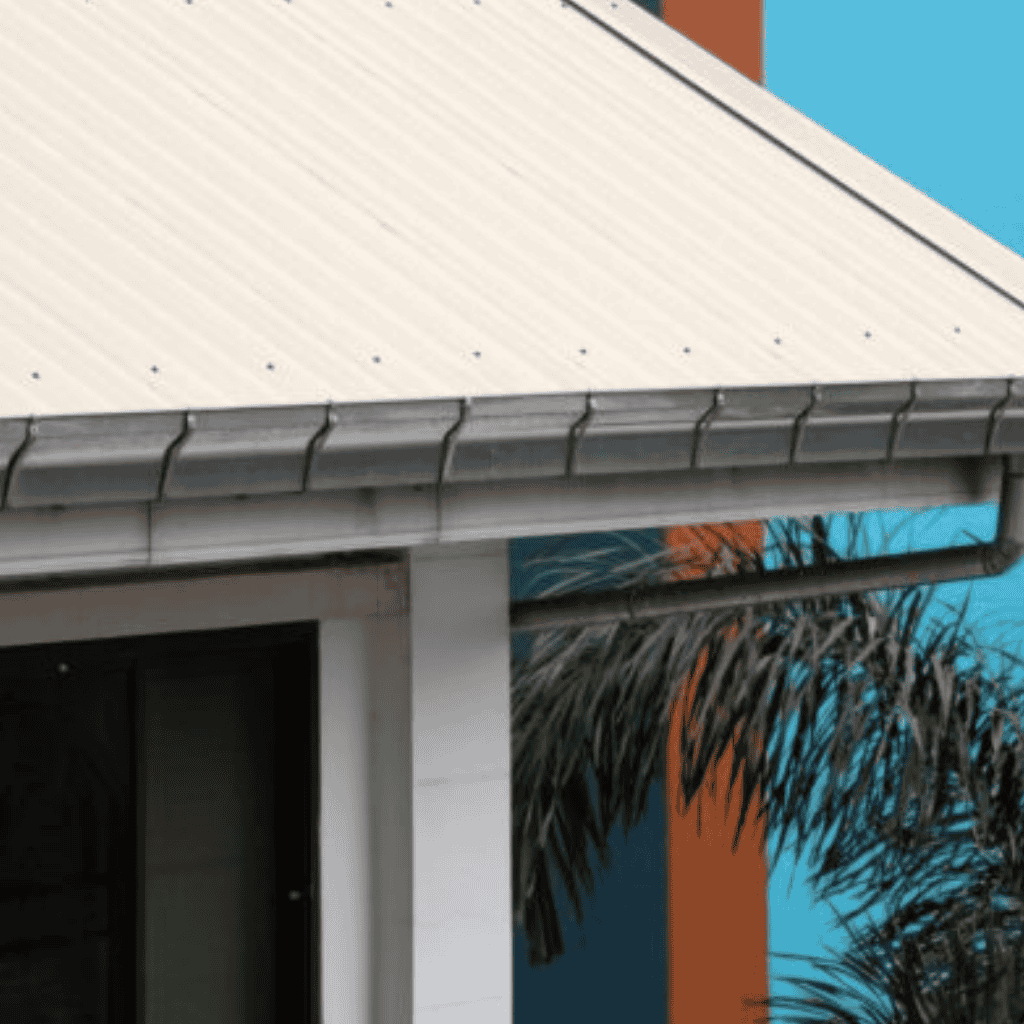
Your home is often referred to as the “roof over your head,” a phrase that perfectly encapsulates the protective role a roofing system plays in your daily life. Beyond simply covering a structure, a high-quality roof transforms an uncompleted building into a habitable sanctuary, shielding its occupants from the scorching West African sun and torrential seasonal rains. In the evolving landscape of Ghanaian architecture, the choice of materials has become a critical intersection of aesthetics, durability, and long-term financial planning. While many builders instinctively reach for aluminium roofing sheets, the modern market offers innovations that challenge traditional choices.
The Evolution of the Ghanaian Roofing Market
For decades, the silhouette of Ghanaian neighborhoods was defined by corrugated metal. From the early days of simple galvanized iron—often prone to rapid rusting—to the introduction of more sophisticated alloys, the market has matured significantly. Today, homeowners are no longer looking for just “a cover”; they are looking for “performance.”
When we talk about performance in a tropical climate like ours, we are looking at three primary enemies:
-
Thermal Expansion: The intense heat that causes materials to grow and shrink.
-
Corrosion: The salt-laden air in coastal cities like Accra and Tema.
-
Acoustic Discomfort: The deafening noise of rain on metal.
In this context, aluminium roofing sheets emerged as a hero in the late 20th century. They offered a rust-resistant alternative to old-fashioned iron sheets, and their lightweight nature made them easy to transport to developing areas across the country.
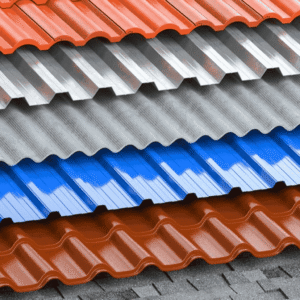
Understanding Aluminium Roofing Sheets: Pros and Cons
As the name suggests, aluminium roofing sheets are crafted from aluminium metal, which is celebrated for its high strength-to-weight ratio. This makes the material incredibly lightweight, reducing the structural load on the wooden trusses of a building.
The Advantages
The primary draw for aluminium roofing sheets has always been their accessibility. In the current Ghanaian market, where inflation affects every bag of cement and length of rebar, the price point of aluminium remains competitive. Prices often range from GHC 800 to GHC 900 for a standard pack, depending on the gauge and the supplier.
Furthermore, aluminium is naturally reflective. A new, shiny aluminium roof can reflect a significant portion of solar radiation, theoretically keeping the interior of the home cooler during the peak of the afternoon. This “cool roof” effect was a major selling point for decades.
READ ALSO: Asbestos Roofing Sheets: Key Risks, Drawbacks, and Modern Alternatives
The Hidden Limitations
However, as the building industry has advanced, the limitations of aluminium roofing sheets have become more apparent to long-term property owners. The very “lightweight” nature that makes them easy to install also makes them vulnerable.
-
Malleability and Damage: Aluminium is a relatively soft metal. If a branch falls from a nearby tree, or if a technician walks carelessly on the roof to install a satellite dish, the sheets are prone to denting. These dents are not just aesthetic flaws; they can create “pools” where water collects, eventually leading to structural weakness.
-
Thermal Noise and Leaks: In the Ghanaian heat, aluminium undergoes significant expansion. This constant movement puts immense pressure on the nail holes. Over time, these holes widen, leading to the dreaded “mystery leaks” that appear during the rainy season.
-
The Acoustic Factor: Anyone who has lived under aluminium roofing sheets during a June downpour knows the “drum effect.” The noise can reach decibel levels that make conversation or sleep virtually impossible.
The Rising Star: Stone-Coated Alu-Zinc Roofing
As builders look for ways to avoid the pitfalls of traditional materials, the industry has pivoted toward alu-zinc technology. Companies like Rosa Roof have pioneered the distribution of stone-coated metal roofing sheets, which are designed to address the specific failures of older metal systems.
What is Alu-Zinc?
Unlike standard aluminium roofing sheets, which are composed of a single metal layer, stone-coated alu-zinc is a multi-layered composite. It starts with a high-strength cold-rolled steel core. This core is then galvanized with a specialized coating consisting of:
-
55% Aluminium: For corrosion resistance.
-
43.3% Zinc: For sacrificial protection of the steel.
-
1.6% Silicon: To ensure a strong bond between the metals.
This “Alu-Zinc” alloy provides up to six times the corrosion resistance of traditional galvanized steel. But the real “magic” happens with the stone coating—volcanic rock chips embedded in an acrylic resin that provide a textured, premium finish.
A Comparative Analysis: Cost vs. Value
When prospective homeowners look at a quote, they often focus on the “initial cost.” However, a roof should be viewed as a 40-year investment, not a one-time expense.
| Feature | Aluminium Sheets | Stone-Coated Alu-Zinc |
| Initial Cost | Lower (GHC 800-900) | Higher (GHC 1100+) |
| Lifespan | 10–15 years (Optimal) | 50+ years |
| Maintenance | High (Leak patching) | Low |
| Noise Level | Very Loud | Quiet (Sound absorbent) |
| Aesthetics | Industrial/Basic | Premium/Architectural |
While aluminium roofing sheets might save you money during the roofing stage of your project, they often become more expensive within a decade. If you have to hire a carpenter to patch leaks every two years, or if you eventually have to replace the entire roof after 15 years, your “affordable” choice has suddenly doubled in price.
Why Modern Builders are Moving Away from Aluminium
The shift in preference is not just about luxury; it is about engineering. Let’s look at the four pillars of a superior roofing system.
1. Superior Thermal Regulation
While aluminium roofing sheets reflect heat, they do not insulate. Once the metal gets hot, that heat radiates directly into the ceiling void. Stone-coated alu-zinc systems, however, create a “dead air” space between the panels and the roof deck. This acts as a natural insulator. Your home stays cooler in the sun and retains a comfortable temperature during the chilly harmattan nights, significantly lowering your electricity bills for air conditioning.
2. Structural Integrity and Security
Security is a major concern for Ghanaian homeowners. Traditional aluminium roofing sheets can be easily cut or manipulated with basic hand tools, providing a potential entry point for intruders. Stone-coated steel is significantly harder to penetrate. Furthermore, the interlocking installation system used by Rosa Roof ensures that panels cannot be easily pried off by high winds or external force.
3. Resistance to Environmental Hazards
In coastal areas like Kpone or Prampram, the salt spray in the air is the enemy of metal. Traditional aluminium roofing sheets perform better than iron, but they can still suffer from “white rust” or surface pitting over time. The multi-layered protective coatings on stone-coated alu-zinc are designed specifically for marine environments, ensuring the roof looks brand new even after decades of salt exposure.
4. Aesthetic Flexibility
Architecture in Ghana has become incredibly sophisticated. Whether you are building a Mediterranean-style villa or a sleek modern minimalist home, your roof needs to match the “vibe.” Aluminium sheets are generally limited in profile. In contrast, stone-coated tiles come in various designs:
-
Bond Profile: Mimicking traditional clay tiles.
-
Shingle Profile: Providing a wood-split look.
-
Classic Profile: For a timeless, elegant finish.
Maintenance Tips for Longevity
Regardless of whether you choose aluminium roofing sheets or a stone-coated system, maintenance is key to protecting your investment.
-
Gutter Cleaning: Ensure your gutters are free of debris. Clogged gutters cause water to back up under the eaves, which can rot your fascia boards and trusses.
-
Tree Trimming: Keep overhanging branches at least 3 meters away from your roof to prevent scratches and denting from falling limbs.
-
Professional Inspections: Once a year, especially before the rainy season starts in April, have a professional check the “valleys” and “ridges” of your roof for any signs of movement or loose fasteners.
Conclusion: The Final Verdict
Choosing the right material is a balancing act between your current budget and your future peace of mind. While aluminium roofing sheets remain a viable option for temporary structures, sheds, or low-budget projects where immediate cost is the only factor, they rarely represent the best value for a permanent family home.
The data shows that investing in a stone-coated alu-zinc system from a reputable provider like Rosa Roof yields a much higher return on investment. You gain a roof that is quieter, cooler, and virtually maintenance-free for a lifetime.
In the long run, a roof should be something you install and forget. If you are constantly thinking about your roof every time a dark cloud appears on the horizon, it is time to reconsider your materials.
READ ALSO: The Modern Guide to Roofing in Ghana: Trends, Technologies, and Rosa Solutions
Secure Your Investment with Rosa Roof
Are you tired of the noise and heat associated with traditional roofing? Don’t let your dream home be compromised by subpar materials. At Rosa Roof, we specialize in high-performance, stone-coated roofing systems that offer the perfect blend of Ghanaian durability and international style.
Take the next step toward a lifetime of protection:
-
Expert Consultation: Our team will help you calculate the exact number of tiles needed, ensuring zero waste.
-
Professional Installation: We don’t just sell tiles; we ensure they are installed to international standards.
-
Warranty Guaranteed: Enjoy peace of mind with our industry-leading product warranties.
Your home deserves a roof that lasts as long as your memories. Choose Rosa Roof.