

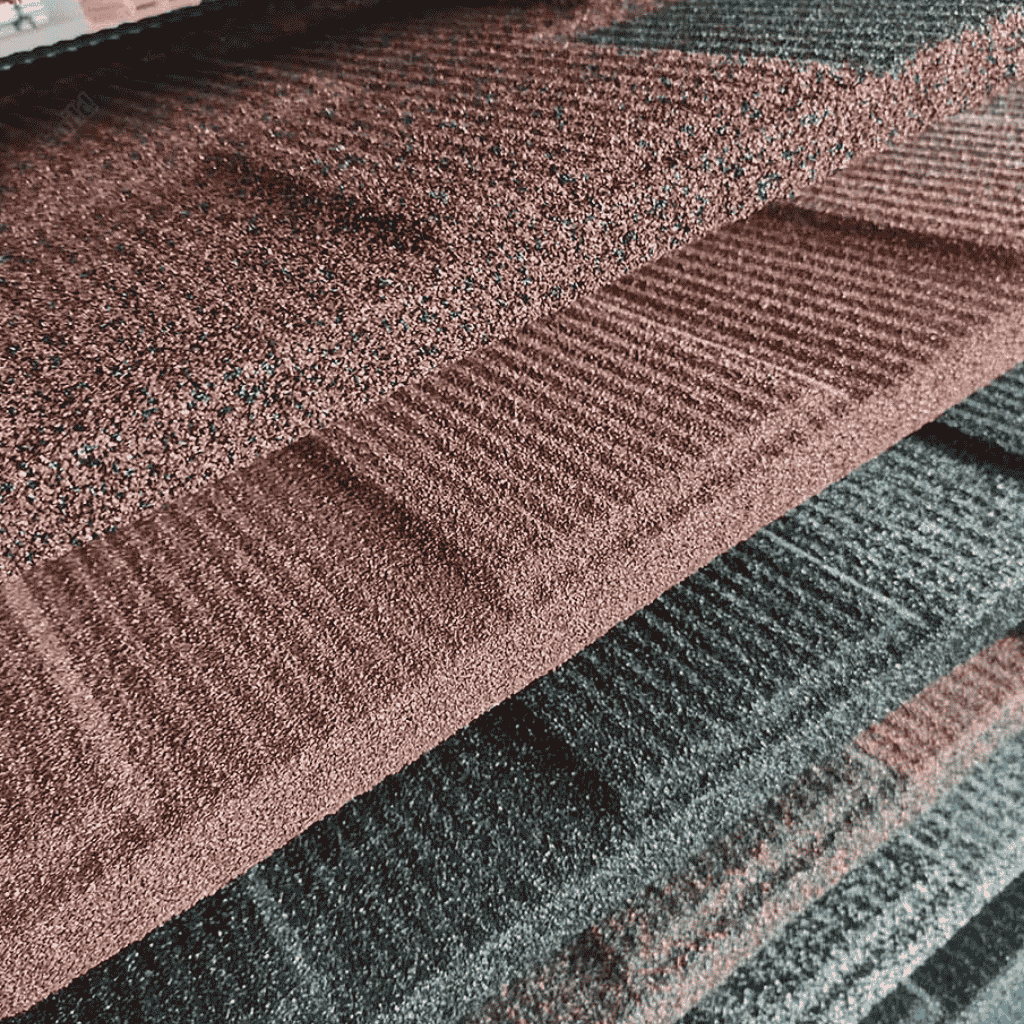
Building a home in Ghana is a labor of love, a significant financial milestone, and a legacy for the future. However, as the tropical clouds gather and the rainy season descends, many homeowners face a common, stressful reality: the rhythmic drip-drip-drip of a leaking roof. For decades, the construction industry struggled with materials that succumbed to the harsh sun and torrential downpours. Today, the narrative is shifting. Top roofing companies in Ghana are moving away from traditional galvanized sheets and embracing the future of shelter: Stone-Coated Technology.
At Rosa Roofing Systems, we’ve seen firsthand how this innovation is transforming the skyline. It’s no longer just about putting a lid on a building; it’s about advanced coating technology that ensures your sanctuary remains dry, cool, and beautiful for a lifetime.
The Problem with Traditional Roofing in Ghana
If you walk through any established neighborhood in Accra or Kumasi, you’ll see the tell-tale signs of traditional roofing fatigue. For years, the go-to options were limited, and each came with compromises that eventually led to structural headaches.
Corrugated Metal Sheets: The Rust Trap
Standard galvanized iron sheets have long been the “default” for many. While affordable initially, they are highly susceptible to corrosion, especially in coastal regions like Tema or Takoradi. Once the protective zinc layer wears off, rust sets in, leading to pinhole leaks that are nearly impossible to track and repair effectively.
Traditional Thatched Roofing: The Maintenance Burden
While beautiful and culturally significant, traditional thatched roofs in Ghana face immense challenges with tropical pests, fire risks, and water retention. Without constant, expensive maintenance, they become breeding grounds for mold and insects and eventually lose their ability to provide effective leakage prevention.
The Ripple Effect of Poor Installation
Even with decent materials, poor installation practices—such as vertical nailing—create entry points for water. In Ghana’s heavy storms, wind-driven rain is forced under the laps of traditional sheets, causing damp ceilings, ruined electrical wiring, and the growth of dangerous mold. This is precisely why roofing companies in Ghana are pivoting toward systems designed for the extremes of our climate.
READ ALSO: Buying Roofing Sheets in Ghana? Here’s How to Test for Weather Resistance
Traditional Thatched Roofing vs. Rosa Shake Tiles
For those who love the rustic, wood-split aesthetic of a traditional roof but fear the inevitable rot and fire hazard, modern roofing tech has provided the ultimate solution.
The Rosa Shake Tiles serve as a direct, high-performance replacement for traditional thatched or wood-shake roofs. Here is how they compare:
- Durability: While wood and thatch decay under the Ghanaian sun, Rosa Shake is forged from Aluzinc steel.
- Water Resistance: Traditional thatch absorbs water, becoming heavy and prone to leaks. Rosa Shake is non-porous and features an interlocking design that prevents leakage.
- Longevity: A thatched roof might last 5-10 years with heavy maintenance. Rosa Shake comes with a 50-year Limited Guarantee.
- Style Statement: You get the creative, natural look of a “shake” finish without the anxiety of a leaking roof.
Leak-Proof Interlocking Roofing Systems: The Science of Dryness
What makes stone-coated tiles the “gold standard” for roofing companies in Ghana? It comes down to the engineering of the interlock.
Unlike traditional sheets that are simply overlapped and nailed from the top (creating a direct path for water to follow the nail hole), stone-coated panels like our Rosa Classic Tiles use a horizontal nailing method.
How It Works:
- Interlocking Panels: Each tile hooks into the one above and below it, creating a structural mesh.
- Weather Resistance: This system was tested against 200kph hurricane conditions. If it can stand up to a hurricane, a West African monsoon is no match for it.
- Wind Resistance: Because they are secured at right angles to the wind lift, the tiles cannot be stripped off during the violent windstorms that often precede rain in Ghana.
This advanced geometry is the backbone of modern leakage prevention, ensuring that even in “sideways” rain, your rafters remain bone-dry.
Why Roofing Companies in Ghana Are Adopting Stone-Coated Technology
The shift in the Ghanaian market isn’t just a fashion trend; it’s a response to a growing demand for value and climate resilience. Professional roofing companies in Ghana are recommending stone-coated steel for several key reasons:
1. Durability in Tropical Climates
Ghana’s climate is unique—high humidity, intense UV radiation, and high salt content in coastal air. Our Aluzinc steel core (a combination of Aluminum and Zinc) lasts 6 to 9 times longer than ordinary galvanized steel. The aluminum creates a barrier against corrosion, while the zinc provides “sacrificial” protection.
2. Reduced Maintenance and Cost Savings
Homeowners are tired of repainting rusted roofs every three years. The natural stone chips embedded in the basecoat of Rosa Heritage Tiles are fade-proof. This “install and forget” nature appeals to busy professionals and overseas Ghanaians building back home.
3. Thermal Comfort
Traditional metal roofs turn houses into ovens. However, the stone-coated surface of Rosa tiles reflects heat and prevents UV penetration. By keeping internal rooms naturally cooler, homeowners save significantly on air-conditioning costs.
Clean Rainwater Harvesting Benefits
In many parts of Ghana, municipal water supply can be inconsistent. This makes clean rainwater harvesting a vital strategy for many households. However, the material on your roof dictates whether that water is a blessing or a health hazard.
Traditional bitumen or rusted metal roofs shed chemicals, lead, and rust particles into your storage tanks. Stone-coated technology changes the game. Because our tiles are made from non-toxic materials and natural stone, the water that runs off them remains pure. Environmental sustainability is a core pillar of what we do.
Why Rainwater from Rosa Shake Tiles is Safe for Drinking
Safety is paramount. When we talk about clean rainwater harvesting, we mean water that is safe for household chores and, with basic filtration, safe for consumption.
- Non-Toxic Coating: The stone chips and acrylic glazes used on Rosa Milano Tiles and Rosa Shingle Tiles do not contaminate the water.
- Algae Resistance: Rosa tiles are treated to resist algae growth. This prevents the “green slime” often seen on older roofs from washing into your tanks.
- No Rust Contamination: Since the Aluzinc core is hermetically sealed, there is no iron oxide (rust) leaching into your water supply.
By choosing modern roofing technology, you aren’t just protecting your ceiling; you’re also securing a secondary, clean water source for your family.
Cost vs. Long-Term Value
A common question posed to roofing companies in Ghana is: “Isn’t stone-coated roofing more expensive?”
While the initial purchase price might be higher than that of low-grade aluminum sheets, the Total Cost of Ownership is significantly lower.
| Feature | Traditional Metal | Rosa Stone-Coated |
| Lifespan | 10–15 Years | 50+ Years |
| Maintenance | Painting/Patching required | Zero to minimal |
| Installation Weight | Heavy (if clay) / Light (if metal) | Ultra-light (7.0kg/m²) |
| Property Value | Standard | High Premium |
Because Rosa tiles are lightweight (7.0kg/m²), you can actually save money on the timber roof structure and the building’s foundation, as they don’t require the massive support that heavy clay tiles do.
Tips for Choosing the Right Roofing Contractor
Even the best tile in the world will fail if installed poorly. When vetting roofing companies in Ghana, keep these criteria in mind:
- Request a Portfolio: Have they handled large-scale residential or commercial projects?
- Verify the Warranty: A verbal promise is nothing. Ask for the 50-year written warranty.
- Check the Material Source: Ensure they are using genuine Aluzinc core tiles. Many imitations are made of cheap steel that rusts within five years.
- Specialized Training: Ensure their installers understand the horizontal nailing method required to ensure maximum security and prevent leaks.
READ ALSO: WHERE TO BUY ROOFING SHEETS IN GHANA: A HOMEOWNER’S GUIDE
The Rosa Product Lineup: A Style for Every Vision
Every home has a different soul. Whether you are building a sleek contemporary villa or a grand Mediterranean estate, we have a profile to match:
- Rosa Classic Tiles: For a bold, traditional look with edgy innovation.
- Rosa Milano Tiles: All the beauty of Mediterranean clay without the weight.
- Rosa Shake Tiles: The ultimate creative replacement for thatch and wood.
- Rosa Shingle Tiles: Modern, sleek, and perfect for contemporary architecture.
- Rosa Heritage Tiles: Timeless elegance and versatility for any home design.
Conclusion: A New Standard for Ghanaian Homes
The days of compromising on your home’s safety are over. As more roofing companies in Ghana adopt stone-coated technology, the standard of living for homeowners is rising. By prioritizing leakage prevention, thermal comfort, and clean rainwater harvesting, you are making an investment that pays dividends in peace of mind.
At Rosa Roofing Systems, we don’t just sell tiles; we provide a 50-year shield against the elements. Our stone-chip coating technology ensures that your home stays beautiful, your rooms stay cool, and your family stays dry—no matter how hard the Ghanaian rain falls.
Invest Once. Protect for a Lifetime.
Stop paying for repairs and start investing in 50 years of peace of mind. Compare the long-term savings of Rosa Stone-Coated Tiles against traditional roofing today.
Request a Direct Quote Now. Get a transparent breakdown of materials, Aluzinc core specs, and installation timelines.