

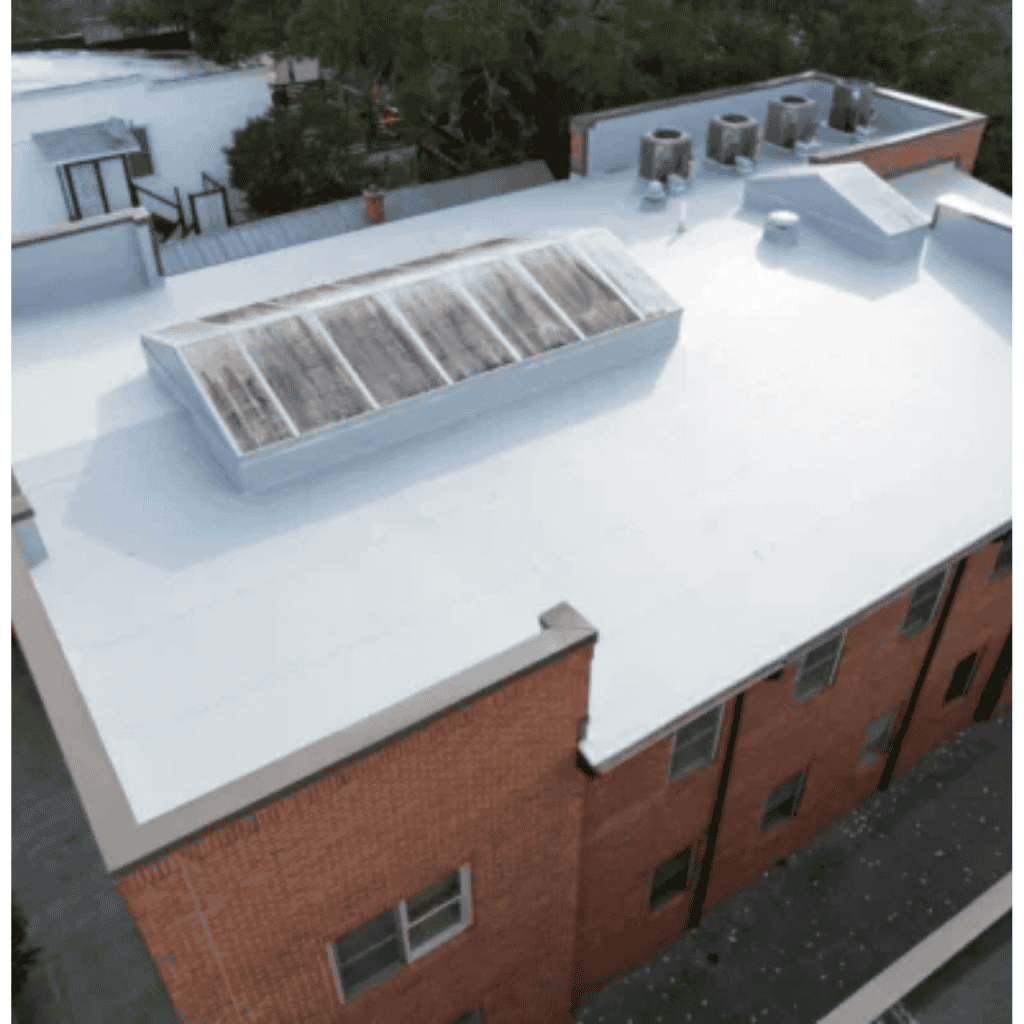
When it comes to roofing styles, there’s always a new trend in town. One that has caught the attention of many homeowners—especially in Ghana—is secret roofing. Also known as hidden roofs, this design conceals the roof behind parapet walls, creating a clean, boxy look that blends seamlessly with modern architecture.
While it may be aesthetically pleasing, this style comes with several pitfalls that a homeowner should not ignore. If you are weighing your options, here are five critical reasons why you might want to avoid secret roofing in favor of more durable, traditional alternatives.
1. Poor Drainage and Water Stagnation
For superior roofing solutions, good drainage is a non-negotiable requirement. While secret roofing designs are visually impressive, they often struggle with proper water evacuation behind the scenes.
Standard pitched roofs are adequately sloped, using gravity to naturally direct rainwater into gutters and downspouts. In contrast, secret roofing typically features a horizontal surface with a minimal slope, making it highly inefficient during Ghana’s heavy downpours. Because these roofs are bordered by walls on all sides, they rely entirely on internal drainage systems, which frequently clog with debris.
According to global roofing standards, a functional roof should have at least a slope of $18^{\circ}$ (a 4:12 pitch) to allow rainwater to drain naturally. Unfortunately, many secret roofing house designs boast a meager slope of $1:80$ or $1:40$, which translates to less than $10^{\circ}$. The less the slope, the higher the risk of water stagnation. This leads to:
-
Leakage into the ceiling: Water seeps through micro-cracks, causing damp patches.
-
Structural weakening: Continuous exposure to standing water degrades concrete slabs.
-
Mold and mildew growth: Excess moisture creates an unhealthy indoor environment.
Even the best secret roofing materials cannot eliminate the risk of water buildup. Instead of dealing with unexpected repairs, consider high-performance materials like Rosa Heritage Tiles, which are engineered to channel water efficiently.
2. Heat Retention and High Energy Bills
One major pitfall of secret roofing is poor heat regulation. Since the roof is concealed behind parapet walls, there is little to no cross-ventilation, causing heat to build up within the attic space or the concrete slab itself.
Unlike conventional pitched roofs that allow heat to dissipate naturally through ridge vents, the design of secret roofing traps hot air. This occurs due to:
-
Lack of Air Circulation: Traditional structures allow hot air to escape; hidden designs keep it bottled up.
-
Low Insulation Levels: Flat or hidden roofs often have less effective insulation because they absorb more direct sun exposure over a larger surface area.
Without high-R-value insulation (standard recommendations suggest at least R-30), heat easily transfers into the rooms below. This creates a “heat trap” effect, forcing occupants to rely heavily on air conditioning, which results in skyrocketing electricity bills. In a tropical climate like Ghana’s, the thermal discomfort of secret roofing can be a daily struggle.
READ ALSO: Why You Should Avoid Asbestos Roofing Sheets in Ghana: A Complete Guide to Safe Alternatives
3. High Maintenance Costs
At first glance, secret roofing creates a smooth, seamless finish. However, keeping it in good shape is a different story. It is often compared to a “hidden cost” commitment that requires expensive sacrifices.
While traditional stone-coated tiled roofs can endure for over 50 years with minimal care, hidden roofs often require intervention much sooner. The waterproofing membranes used on these sleek designs typically wear out within 5–10 years due to UV exposure and thermal expansion, leaving the structure vulnerable to leaks.
Common Maintenance Issues include:
-
Frequent Inspections: Problems aren’t visible from the ground, requiring homeowners to climb up constantly.
-
Waterproofing Reapplication: Protective coatings are expensive and need regular refreshing.
-
Crack Repairs: Concrete and metal expansion leads to structural fissures.
If you’re considering this style, remember that maintaining secret roofing can be a financial drain. A smarter move is to opt for a product built for longevity, such as Rosa Milano Tiles, which offer the elegance of modern design with zero maintenance fees.
4. Structural Integrity Concerns
Many homeowners browse through secret roofing pictures and assume the design is robust. However, the reality is that these designs often lack the structural integrity of traditional pitched styles.
This problem is more pronounced in Ghana, where the alternating shifts of high rainfall and intense sunshine cause materials to expand and contract rapidly. Standards upheld by the National Roofing Contractors Association (NRCA) recommend that roofs bear a total load of 20–30 pounds per square foot (psf).
Unfortunately, many secret roofing projects use thin concrete slabs or lightweight steel sheets without the necessary reinforcement. This makes the roof too light to bear the “live load” of accumulated rain or debris. Over time, this structural weakness can lead to sagging, deep cracks, and in extreme cases, potential collapse.
READ ALSO: The Modern Guide to Roofing in Ghana: Trends, Technologies, and Rosa Solutions
5. Limited Design Flexibility
A secret roofing house offers a sleek, boxy aesthetic, but your creative choices are often confined to that single geometric look. If you want to incorporate unique architectural elements or a roof that makes a bold statement from a distance, this style may feel restrictive.
Rather than confining yourself to the limited selection of hidden designs, exploring diverse catalogs—like those offered by Rosa Roof—gives you the luxury of choice. You can achieve a modern look without sacrificing the protection and character that a visible, well-designed roof provides.
Summary of Roofing Standards
| Feature | Traditional Pitched Roof | Secret Roofing |
| Average Lifespan | 50+ Years | 10–15 Years (Membrane) |
| Drainage Efficiency | High (Natural Gravity) | Low (Prone to Clogging) |
| Ventilation | Natural Airflow | Trapped Heat |
| Maintenance | Minimal | High/Frequent |
| Slope (Pitch) | 18 or higher | Often less than 10 |
The Smarter Choice for Your Home
A good roof isn’t just about looks—it must protect your family, withstand the elements, and provide long-term reliability. While secret roofing may be trendy, its downsides in terms of drainage, heat, and cost are simply too significant for a serious homeowner to overlook.
Instead of choosing style at the expense of functionality, invest in a roofing solution that offers both. With Rosa Roofing systems, you are assured of high-quality, stone-coated steel tiles that combine lasting strength with exceptional curb appeal. Our tiles are designed to reflect UV rays, channel water perfectly, and withstand the harshest Ghanaian weather.
Don’t settle for a “hidden” headache. Get a Free Quote from Rosa Roof Today!
Invest in a roof that is built to last, protects your investment, and keeps your home cool for decades to come.