

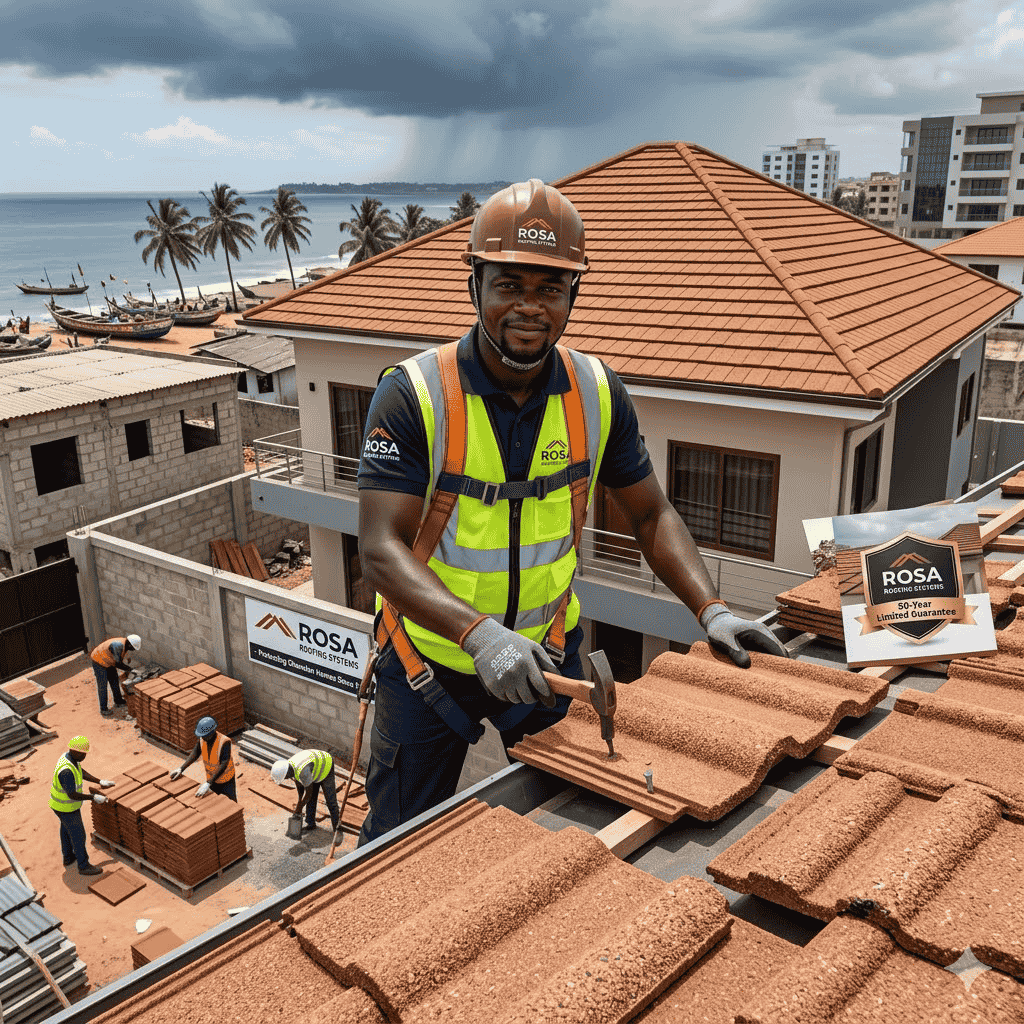
When the sky darkens and the wind begins to howl, the true quality of a home’s construction is put to the ultimate test. For homeowners in coastal regions or areas prone to seasonal storms, the roof isn’t just an aesthetic choice—it is a structural shield. High wind zones present a unique set of aerodynamic challenges that can strip inferior materials right off a building, leading to catastrophic interior damage. This is precisely why engaging professional roofing contractors is not just a recommendation; it is a necessity for long-term safety and structural integrity.
Building a roof that can withstand hurricane-force winds requires more than just heavy materials. In fact, modern engineering suggests that “heavier” isn’t always “better.” Instead, the secret lies in advanced coating technology, superior metallurgy, and specific installation techniques like the horizontal nailing method. In this guide, we will explore how experts secure homes against the elements and why the right choice in roofing can offer peace of mind for 50 years or more.
-
The Invisible Threat: Understanding Wind Uplift
Before diving into the “how,” we must understand the “why.” When high-velocity winds hit a building, they don’t just push against the walls; they create pressure differentials. As wind sweeps over the ridge of a roof, it creates a vacuum effect—much like the lift on an airplane wing. This is known as a roof lift.
If a roof is not properly anchored, this upward pressure can pull tiles or entire sections of the roof deck away from the rafters. Professional roofing contractors specialize in identifying these pressure points and utilizing wind-resistant roofs to neutralize the threat before the first cloud appears.
-
The Science of the Horizontal Nailing Method
One of the most significant advancements in high-wind construction is the move away from traditional vertical fastening to the horizontal nailing method.
Why Horizontal Nailing Defeats the Wind
In traditional roofing, nails are driven vertically through the top of the tile into the batten. In a high-wind event, the wind gets under the tile and pulls upward, placing “pull-out” tension directly on the nail. Think of it like pulling a weed straight out of the ground; with enough force, the nail simply slides out.
However, professional roofing contractors using Rosa systems employ a horizontal fastening technique. In this method:
- Fasteners are driven at a 90-degree angle to the wind’s lift force.
- The nails are installed through the front downturned flange of the tile and into the side of the batten.
- When the wind tries to lift the tile, it is fighting against the shear strength of the fastener rather than its pull-out resistance.
This creates an incredibly secure bond. While traditional tiles might rattle or fly off, tiles secured via horizontal nailing stay firmly in place, even when facing winds exceeding 200kph.
READ ALSO: Buying Roofing Sheets in Ghana? Here’s How to Test for Weather Resistance
-
Overlapping Tiles for Maximum Security
A roof is only as strong as its weakest point. In high wind zones, that weak point is often the gap between tiles. If wind can find an entry point, it can create a “zipper effect,” where one failing tile leads to the rapid loss of the entire roof.
To combat this, professional roofing contractors utilize an interlocking and overlapping system. Products like Rosa Classic Tiles and Rosa Heritage Tiles are designed to overlap on all four sides—top, bottom, and both lateral edges.
Benefits of the Interlocking System:
- Sealed Edges: The overlap prevents wind from “grabbing” the edge of a tile.
- Water Tightness: Even during driving rain accompanied by high winds, the overlap ensures water is shed downward and away from the underlayment.
- Structural Unity: Once the entire roof is installed and fastened, it behaves as a single, contiguous skin rather than a collection of individual pieces.
This level of roofing security is what allows Rosa products to maintain their integrity during 200kph hurricane conditions. Whether you prefer the rugged look of Rosa Shake Tiles or the Mediterranean elegance of Rosa Milano Tiles, the interlocking mechanism remains a core safety feature.
-
Preventing “Roof Lift” During Storms
As mentioned earlier, roof lift is the primary cause of roof failure during cyclones or hurricanes. Preventing it requires a holistic approach to high wind construction.
The Role of the Alu-Zinc Steel Core
A key component in preventing lift is the weight-to-strength ratio. While heavy clay tiles might seem “wind-proof,” their sheer mass can actually be a liability if the structural supports fail. Conversely, Rosa Shingle Tiles utilize an Alu-Zinc steel core.
This material is incredibly strong yet lightweight (only about 7.0kg/m²). Because the roof is lighter, professional roofing contractors can ensure the building’s center of gravity remains stable, while the high-tensile steel provides the rigidity needed to resist deformation under pressure. The Alu-Zinc alloy also provides 6-9 times the corrosion resistance of standard galvanized steel, which is critical in coastal high-wind zones where salt spray can weaken fasteners over time.
Precision Testing
Professional-grade roofing isn’t based on guesswork. Every Rosa tile undergoes rigorous laboratory testing to ensure it can withstand extreme pressure cycles. By the time a contractor arrives at your home, those tiles have already been “storm-proven” in simulated environments.
Strategic Rationale: Why These Techniques Matter
Why do we go to such lengths—horizontal nailing, stone-chip coating, and Alu-Zinc cores? The rationale is threefold:
- Safety and Life Protection: A roof failure during a storm often leads to wall failure. Keeping the “lid” on the house protects the occupants.
- Long-term Cost Savings: While a wind-resistant roof may require a specific investment upfront, it saves thousands in potential repairs, insurance deductibles, and energy costs. (Our tiles even reflect heat to save on AC!)
- Sustainability: Rosa tiles are made of recyclable materials. A roof that lasts 50 years is a roof that doesn’t end up in a landfill every decade.
The Role of Professional Roofing Contractors
You can have the best materials in the world, but if they are installed incorrectly, they will fail. This is why the expertise of professional roofing contractors is the final, most critical piece of the puzzle.
A specialist contractor understands local building codes, knows how to properly space battens for maximum load-bearing, and ensures that the 50-year Limited Guarantee remains valid through perfect installation. They don’t just “lay tiles”; they engineer a protective system for your family.
Summary of Benefits
| Feature | High Wind Benefit |
| Horizontal Nailing | Resists shear force; prevents nail pull-out. |
| Alu-Zinc Core | High strength-to-weight ratio; prevents corrosion. |
| Stone Chip Coating | Provides soundproofing and UV protection. |
| 4-Way Overlap | Eliminates the “zipper effect” of tile loss. |
READ ALSO: WHERE TO BUY ROOFING SHEETS IN GHANA: A HOMEOWNER’S GUIDE
Conclusion: Secure Your Future
In an era of increasingly unpredictable weather, your home deserves more than just a standard covering. High wind zones require specialized knowledge, advanced materials, and a commitment to excellence. By choosing professional roofing contractors who utilize the Rosa Roofing System, you are investing in a roof that is fire-resistant, algae-resistant, soundproof, and—most importantly—unshakeable in the face of a storm.
From the traditional charm of Rosa Classic Tiles to the modern sleekness of Rosa Shingle Tiles, we provide the beauty you want with the security you need. Don’t wait for the next storm warning to wonder if your roof will hold.
Are you ready to upgrade to a roof that’s built to last a lifetime?