

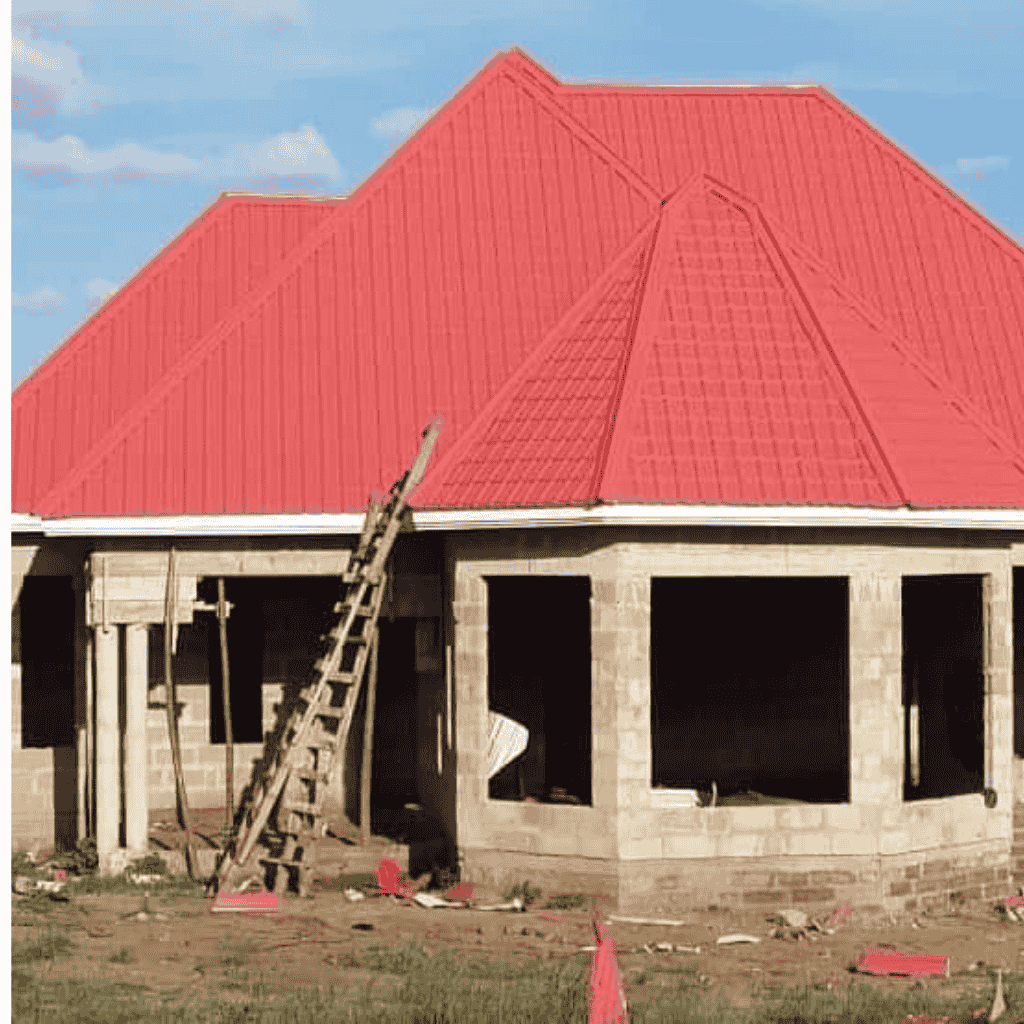
In the rapidly evolving architectural landscape of West Africa, your choice of shelter is more than just a design preference—it is a critical investment in safety and sustainability. In the Greater Accra and Ashanti regions, the climate poses unique challenges: intense UV radiation, high humidity, and heavy seasonal rainfall. Because your home is your most significant asset, choosing between various roofing systems in Ghana requires a sophisticated understanding of material science and local environmental demands.
Historically, roofing in the region was limited to basic galvanized sheets or heavy clay tiles. Today, technology has introduced smart, lightweight, and incredibly durable alternatives. Whether you are building a modern estate in East Legon or a commercial warehouse in Tema, this guide will provide the technical and financial clarity needed to secure your property.
1. What Defines a Complete Roofing System?
Many homeowners make the mistake of using “roofing sheets” and “roofing systems” interchangeably. However, a “system” implies a collection of parts working in synergy. A high-quality roofing system in Ghana is composed of several critical layers:
-
The Structural Skeleton (Trusses): Usually made of timber or light-gauge steel, this provides the shape and load-bearing capacity.
-
The Decking (Sheathing): The base layer (often plywood or specialized boards) that provides a flat surface for the materials above.
-
The Underlayment: A water-resistant or waterproof barrier that acts as a second line of defense against moisture.
-
The Exterior Covering: The visible tiles or sheets (Aluzinc, Aluminium, or Stone-coated steel).
-
Ventilation Components: Ridge vents and soffits that allow the building to “breathe” in the tropical heat.
-
Flashings and Gutters: Metal components that divert water away from joints and walls to prevent erosion and rot.
READ ALSO: How to Spot Reliable Roofing Contractors for Your Dream Home
2. Top 5 Roofing Materials Dominating the Ghanaian Market in 2026
The market for roofing systems in Ghana has shifted toward materials that offer the best “Life-Cycle Cost”—balancing initial price with long-term maintenance.
A. Stone-Coated Aluzinc Tiles (The Premium Standard)
Stone-coated steel has become the gold standard for luxury residential projects. These tiles consist of a structural steel core (Aluzinc) coated with natural stone chips.
-
Why they work: They offer the beauty of Mediterranean clay tiles without the massive weight. They are soundproof, fire-resistant, and can last over 50 years.
-
Key Benefit: Unlike plain metal, the stone coating “shatters” the sound of heavy rain, providing a quiet interior environment.
B. Pure Aluminium Sheets
For coastal areas like Cape Coast, Takoradi, and parts of Accra, salt-spray corrosion is a major threat.
-
Resilience: Pure aluminium does not rust. It forms a natural oxide layer that protects the metal from the salty sea breeze.
-
Thermal Efficiency: Aluminium reflects a high percentage of solar radiation, keeping the rooms beneath significantly cooler.
C. Aluzinc (Aluminium-Zinc Alloy)
Aluzinc is the most popular choice for mid-range roofing systems in Ghana. It is a hybrid material composed of 55% aluminium and 43.4% zinc.
-
Performance: It offers better corrosion resistance than traditional galvanized steel but is more affordable than pure aluminium.
-
Variety: Available in IBR (Inverted Box Rib) profiles, which are perfect for industrial and modern residential designs.
D. Self-Locking (Hidden Fix) Systems
These systems use an interlocking mechanism that hides the screws and fasteners.
-
Leak Prevention: Since there are no exposed holes for screws, the risk of “capillary action” (water seeping through screw holes) is virtually eliminated.
E. Polycarbonate (Translucent) Sheets
Often used for porches, carports, or skylights, these allow natural light to filter into the building, reducing the need for daytime electric lighting.
3. Cost Analysis: Budgeting for Roofing Systems in Ghana (2026 Prices)
Building costs have fluctuated, but the 2026 market has stabilized. When budgeting, remember that you are paying for both material and installation.
| Material Type | Estimated Price (per m² / Sheet) | Expected Lifespan |
| Standard Aluzinc (0.4mm) | GHS 55 – GHS 95 | 15–25 Years |
| Pure Aluminium (0.45mm) | GHS 80 – GHS 130 | 40+ Years |
| Stone-Coated Steel Tiles | GHS 140 – GHS 190 | 50+ Years |
| Asphalt Shingles | GHS 90 – GHS 140 | 20–30 Years |
Note: Prices are estimates based on Q1 2026 market averages and may vary based on your specific location and the complexity of the roof design.
4. Why Ventilation is the “Silent Hero” of Your Roof
In Ghana’s tropical climate, heat accumulation in the attic is the leading cause of high electricity bills. Without proper ventilation, your roofing systems in Ghana act like a greenhouse, trapping hot air that radiates downward.
The Science of Cooling
A well-designed system utilizes Passive Ventilation. As hot air rises, it escapes through Ridge Vents at the peak of the roof. This creates a vacuum that pulls cooler air in through the soffit vents under the eaves.
-
Energy Savings: Homes with ventilated roofs can see a 20-30% reduction in air conditioning costs.
-
Material Longevity: Excessive heat can make paint peel and sealants crack. Keeping the roof cool extends the life of the entire structure.
5. Critical Factors to Consider Before You Buy
Choosing from the various roofing systems in Ghana involves more than just picking a color you like. You must conduct a “technical audit” of your specific site needs.
1. Proximity to the Ocean
If your site is within 5km of the Atlantic Ocean, avoid standard galvanized steel. The salt air will cause “white rust” and eventually eat through the metal within 5-10 years. Opt for Pure Aluminium or High-Grade Aluzinc (AZ150).
2. Roof Pitch (Slope)
The angle of your roof determines which materials you can use.
-
Low Pitch (Flat look): Requires long-span sheets like IBR or Self-Lock systems to prevent water from pooling.
-
High Pitch (Steep): Ideal for stone-coated tiles or shingles, as the steep angle ensures rapid water runoff.
3. Sustainability and Rainwater Harvesting
With water conservation becoming more important, many Ghanaians are choosing “Eco-friendly” roofs. Ensure your roofing material is non-toxic if you plan to harvest rainwater for domestic use. Stone-coated tiles and aluminium are generally safer for this than older bitumen-based products.
4. Warranty “Fine Print.”
Many companies advertise a “50-year warranty.” Be careful. Often, this only covers the “structural integrity” of the metal, not the “color fading.” Always ask for a written warranty that specifies what happens if the paint peels or the roof leaks within the first 10 years.
READ ALSO: 5 Reasons Real Estate Developers in Accra Prefer Rosa Roofing Company
6. Maintenance: How to Make Your Roof Last a Lifetime
Even the best roofing systems in Ghana require occasional care to reach their maximum lifespan.
-
Debris Removal: Overhanging trees drop leaves that trap moisture and acidic rot on your roof. Trim branches back at least 3 meters from the roofline.
-
Gutter Cleaning: Blocked gutters cause water to “back up” under the eaves, leading to rot in your wooden trusses and dampness in your ceiling.
-
Annual Inspections: After the heavy June rains, check for loose fasteners or signs of “oil canning” (wavy patterns in the metal). Addressing a small leak now saves you from replacing an entire ceiling later.
7. The Rosa Roofing Advantage
When it comes to the highest-tier roofing systems in Ghana, Rosa Roofing Systems remains a market leader. Why do real estate developers and discerning homeowners choose Rosa?
-
New Zealand Technology: We supply premium stone-coated metal tiles engineered to withstand extreme heat and high-velocity winds.
-
Acoustic Insulation: Our tiles are specifically designed to eliminate the “drumming” sound of rain, ensuring your home remains a sanctuary.
-
Thermal Barrier: Rosa tiles reflect UV rays, keeping your interior temperatures naturally lower and reducing your dependence on expensive air conditioning.
-
Professional Installation: A roof is only as good as the technician who installs it. Our team ensures every joint is sealed and every valley is waterproofed.
Conclusion: Secure Your Legacy Today
Your roof is the most visible and functional part of your building’s exterior. Choosing from the top roofing systems in Ghana is about more than aesthetics—it’s about protecting your family, your furniture, and your peace of mind. By investing in quality materials like Aluzinc or stone-coated steel and ensuring professional installation with proper ventilation, you turn a simple house into a lifetime sanctuary.
Don’t wait for the next rainy season to discover a leak. Make the right choice today and invest in a system that offers durability, beauty, and unmatched value.
Ready to elevate your building project?
At Rosa Roofing Systems, we provide world-class solutions tailored to the Ghanaian climate. Whether you need a quote for a new project or an expert assessment of an existing structure, our team is ready to help.
Call us or visit our showroom in Achimota, Accra.