

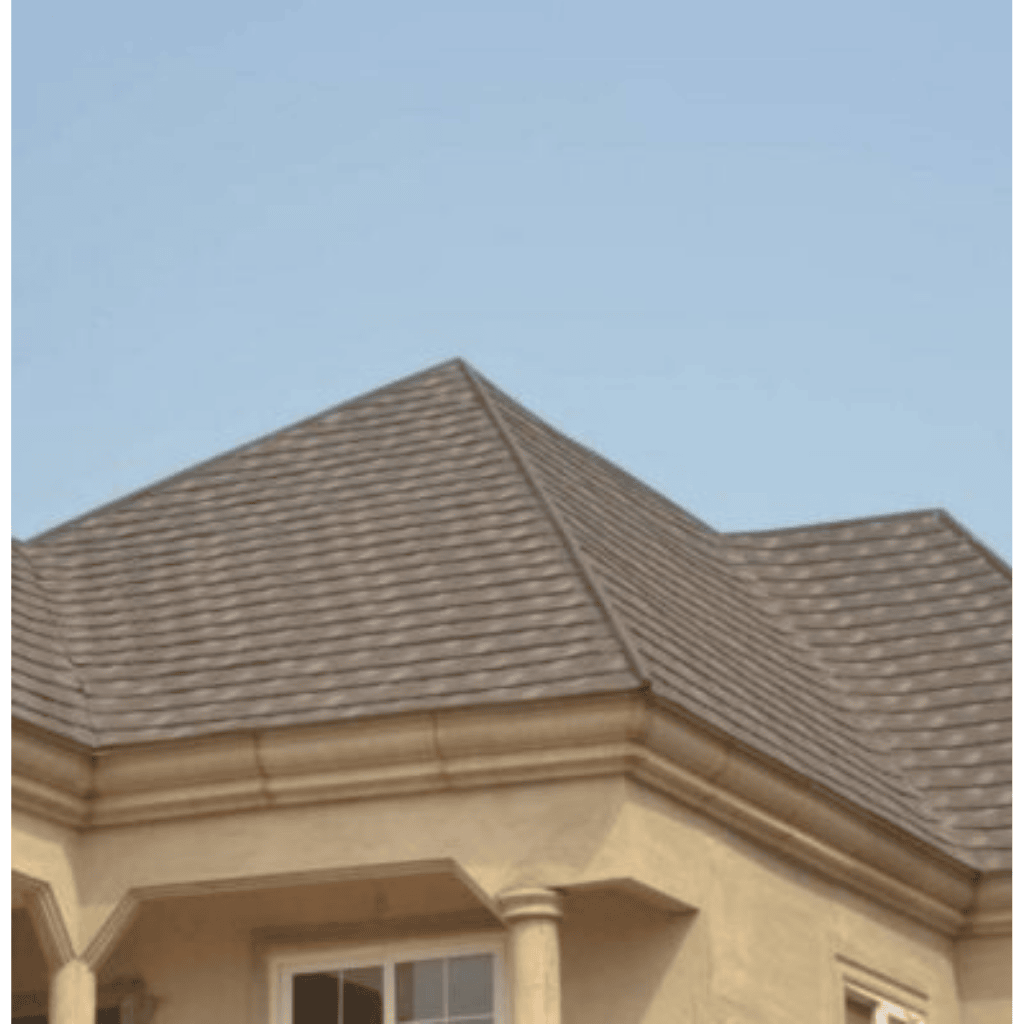
The relationship between roofing materials and energy efficiency plays a major role in a building’s overall performance. As the most exposed surface of your home, the roof acts as the primary barrier against solar radiation and extreme weather. It is one of the most critical components in controlling energy use, as an inefficient roof can account for up to 30% of a home’s total energy loss. Choosing the right material can significantly reduce energy consumption, lower utility bills, and decrease your carbon footprint.
Understanding the Energy-Efficiency Connection
When evaluating roofing materials and energy efficiency, it is essential to understand two main concepts: solar reflectance and thermal emittance.
-
Solar Reflectance: This is the ability of a material to reflect sunlight (including infrared and ultraviolet radiation) into the atmosphere rather than absorbing it as heat.
-
Thermal Emittance: This is the ability of the material to radiate absorbed heat away from the building.
A “cool roof” is one that excels in both areas, ensuring that the attic space remains cool during the peak of summer, which in turn reduces the workload on your HVAC system.
READ ALSO: What to look out for when roofing your home
Popular Energy-Efficient Roofing Materials
Selecting the right product requires a balance between local climate, architectural style, and budget. Here is an in-depth look at how various materials stack up.
1. Asphalt Shingles: The Traditional Choice
Asphalt shingles are the most common roofing material in the United States due to their affordability and ease of installation. Historically, however, they have not been very energy-efficient. Standard dark asphalt shingles tend to absorb high amounts of solar radiation, reaching temperatures up to 150°F (65°C) on a sunny day.
Fortunately, modern manufacturing has introduced “Cool Asphalt Shingles.” These are treated with specialized granules that increase solar reflectance. By opting for energy-efficient asphalt shingles, homeowners can enjoy a lower price point without completely sacrificing thermal performance.
2. Metal Roofs: The Modern Powerhouse
Metal roofs are becoming increasingly popular due to their durability, exceptional roofing materials, and energy efficiency ratings. Metal is naturally reflective, but when coated with reflective pigments, it can reflect up to 90% of solar heat.
Materials like aluminum, steel, and copper are common. For those seeking aesthetic appeal, stone-coated metal roofs (such as Eurotiles) provide the look of traditional shingles or tiles while maintaining the high reflectivity of metal. Because metal cools down quickly at night, it doesn’t “store” heat the way heavier materials might.
3. Tile Roofs: Clay and Concrete
Tile roofs, made from clay or concrete, are a staple in Mediterranean and Southwestern architecture for a reason. They are incredibly durable and offer natural insulation. The shape of many tiles (like S-tiles) allows for air circulation beneath them, which helps dissipate heat before it reaches the roof deck.
Clay tiles are naturally reflective, but even concrete tiles can be coated with “cool roof” pigments. While they are heavier and require a reinforced roof structure, their longevity—often lasting 50 to 100 years—makes them a sustainable long-term investment.
4. Green Roofs: The Living Insulation
Green roofs are a relatively new type of roofing system that is gaining traction in urban environments. A green roof consists of a waterproof membrane, a growing medium, and a layer of vegetation. These roofs can reduce heat absorption by up to 70%.
The plants provide natural shade and use evapotranspiration to cool the surrounding air. In the winter, the layers of soil and plants act as a thick insulating blanket, keeping warmth inside. Beyond energy savings, green roofs manage stormwater runoff and improve local air quality.
5. Solar Roofs: Active Energy Generation
Unlike other materials that simply manage heat, solar roofs actively generate power. These systems use photovoltaic (PV) shingles or integrated solar panels to convert sunlight into electricity. This drastically reduces your reliance on the grid.
While the initial investment for a solar roof is higher than that of any other material, the long-term ROI is unmatched. Many homeowners find that their energy bills are virtually eliminated, and in some regions, you can even sell excess power back to the utility company.
Strategic Factors When Choosing Materials
Improving the synergy between roofing materials and energy efficiency requires a tailored approach. What works for a home in the sun-drenched Arizona desert may not be ideal for a home in the snowy peaks of Vermont.
Climate and Geography
-
Warm Climates: Prioritize high solar reflectance. Materials like metal, light-colored tiles, or cool-rated shingles are best to keep cooling costs low.
-
Cold Climates: Prioritize thermal resistance (R-value). While reflectance is less critical here, the roof’s ability to prevent heat from escaping the home is paramount. Darker roofs may actually be beneficial in very cold climates to help melt snow and absorb some winter sun.
Budget vs. Long-Term Value
It is important to look beyond the initial price tag. While asphalt shingles are the most affordable upfront, their shorter lifespan (15–20 years) means you will pay for a replacement sooner. In contrast, metal or tile roofs may cost double or triple initially, but they can last three to four times longer and save thousands in utility costs over their lifetime.

The Necessity of Professional Installation
Regardless of which high-tech material you select, the efficiency of your roof depends heavily on professional installation. A poorly installed roof can have gaps in insulation or inadequate ventilation. Proper attic ventilation is the partner of energy-efficient roofing; it allows hot air to escape and prevents moisture buildup, which can rot the roof structure and degrade insulation. Ensure your contractor understands the specific requirements for “cool” roofing systems to maximize your benefits.
Key Benefits of Upgrading Your Roof
Transitioning to superior roofing materials and energy efficiency standards offers a wealth of advantages:
-
Significant Cost Savings: Lowering the temperature of your roof can reduce air conditioning needs by 10% to 15%.
-
Enhanced Indoor Comfort: Consistent indoor temperatures mean fewer “hot spots” in upper-level rooms.
-
Extended Roof Longevity: Heat is the primary enemy of roofing longevity. By reflecting UV rays and reducing thermal expansion/contraction, your roof remains structurally sound for longer.
-
Environmental Impact: Lowering energy demand reduces power plant emissions. Additionally, green roofs and solar options contribute directly to a healthier planet.
-
Increased Property Value: Modern buyers prioritize energy efficiency. A certified cool roof or a solar-integrated system is a major selling point that can increase your home’s appraisal value.
READ ALSO: Choosing the Best Roofing Companies in Ghana: A Homeowner’s 2026 Guide
Conclusion
Maximizing the potential of roofing materials and energy efficiency is one of the smartest investments a property owner can make. By selecting a material that suits your local climate—whether it be reflective metal, durable clay tiles, or a sustainable green roof—you transform your home into a high-performance shelter. While the initial costs vary, the long-term rewards of comfort, durability, and lower utility bills are undeniable. A roof is more than just a cover; it is a vital tool for sustainable living and financial savvy.
Ready to Upgrade Your Home’s Performance?
Don’t let your energy bills go through the roof. Whether you’re looking for the sleek efficiency of metal or the sustainable power of solar, our expert team is here to help you choose the perfect solution.
Contact us today for a free energy-efficiency roof audit and take the first step toward a cooler, more cost-effective home!