

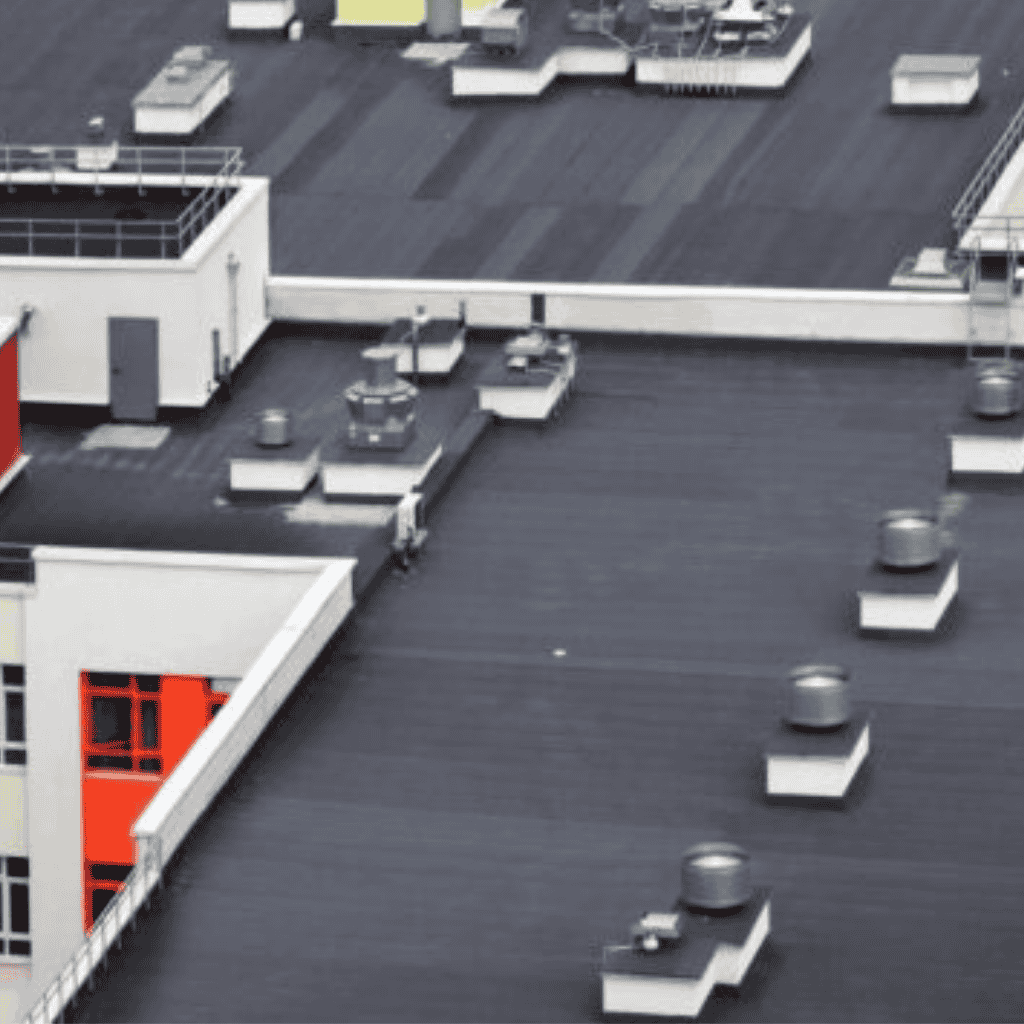
When it comes to the roofing of commercial buildings, one option that stands out for its numerous benefits is flat roofing. Flat roofing systems are among the most commonly found types of roofs on commercial buildings. While pitched roofs have long been a traditional choice, flat roofing has gained popularity for commercial applications due to its versatility and practicality. In this article, we will explore the advantages of flat roofing for commercial buildings, focusing on why it’s an increasingly popular choice in modern construction.
One of the most important advantages of flat roofing for commercial buildings is its cost-effectiveness. Installation costs are generally lower than those of pitched roofs. The simple design and reduced material requirements make flat roofing systems more affordable to install than their pitched counterparts. This cost efficiency can free up budgets for other crucial aspects of a construction project, allowing businesses to allocate resources strategically.
Flat roofs offer more than just weather protection; they provide additional usable space. This extra space can be used for various purposes, such as installing rooftop equipment, creating outdoor recreational areas, or even designing green roofs. In urban environments where space is at a premium, maximizing every square foot is a significant advantage when it comes to building maintenance and ongoing operations.
Flat roofs excel in this aspect, as their level surface makes them easily accessible. Routine inspections, repairs, and the installation of rooftop equipment such as HVAC units, solar panels, and communication devices become hassle-free tasks, contributing to reduced maintenance costs and downtime.
READ ALSO: Top Roofing Trend for Modern Housing
Maximizing Energy Efficiency with Modern Flat Roofing
In an era where sustainability is a paramount concern, flat roofing systems offer businesses a significant opportunity to reduce overhead. Unlike traditional sloped roofs, the flat surface area is uniquely suited for advanced energy-saving technologies. By incorporating cool roofing materials, reflective coatings, and green roof systems, property owners can drastically optimize energy consumption and minimize their environmental footprint.
Reducing Costs with Reflective Coatings
Reflective “cool roof” coatings act as a shield for your building. By deflecting UV rays and sunlight, these materials:
-
Reduce heat absorption: Keeps the building interior naturally cooler.
-
Lower utility bills: Decreases the demand on HVAC systems during peak summer months.
-
Extend roof life: Minimizes thermal expansion and contraction, which can cause structural stress.
The Benefits of Green Roof Integration
Beyond simple insulation, green roof systems (vegetated roofs) transform an industrial space into an eco-friendly asset. They promote biodiversity, manage stormwater runoff effectively, and provide a natural thermal layer that keeps the building warm in winter and cool in summer.
Unmatched Design Flexibility and Material Versatility
Flat roofing systems provide architects and building owners with unparalleled creative freedom. The horizontal profile allows for seamless integration with modern architectural features, such as:
-
Parapet walls for sleek aesthetics and safety.
-
Glass curtain walls and skylights to maximize natural interior lighting.
-
Roof-mounted equipment, such as HVAC units or solar arrays, is easier to install and maintain on a flat surface.
Choosing the Right Membrane: TPO, EPDM, and BUR
The versatility of modern materials allows businesses to tailor their roof to their specific climate and budget:
-
TPO (Thermoplastic Polyolefin): Highly reflective and heat-weldable for strong seams.
-
EPDM (Ethylene Propylene Diene Terpolymer): A durable synthetic rubber ideal for colder climates.
-
BUR (Built-Up Roofing): The traditional multi-layer approach known for extreme redundancy and puncture resistance.
Durability and Long-Term ROI
A common misconception is that flat roofs are prone to leaking; however, a well-engineered system is built to withstand harsh weather conditions, including heavy rain and significant snow loads.
How Long Does a Flat Roof Last?
With a proactive strategy including regular maintenance and periodic inspections, a modern flat roof can easily exceed 20–30 years of service. This longevity, combined with lower initial installation costs compared to complex sloped systems, makes it a sound long-term investment for any commercial enterprise.
READ ALSO: Tips for Hiring a Reputable Roofing Contractor
Your commercial roof is a long-term investment, not just an overhead cost. The “best” material depends on your building’s unique footprint—whether you prioritize the UV reflection of Thermoplastic Polyolefin. (TPO) or the rugged durability of Built-Up Roofing (BUR). By consulting with specialized engineers and roofing contractors, you can identify a system that minimizes maintenance costs and maximizes your building’s lifecycle value.
Flat roofing systems offer several advantages for commercial buildings, making them a popular choice for many construction projects. It’s essential to consult with roofing professionals like Rosa Roof and consider the specific needs and conditions of your commercial building before making a decision. Proper design, installation, and maintenance are key to ensuring the longevity and performance of a flat roof. Chat with us