

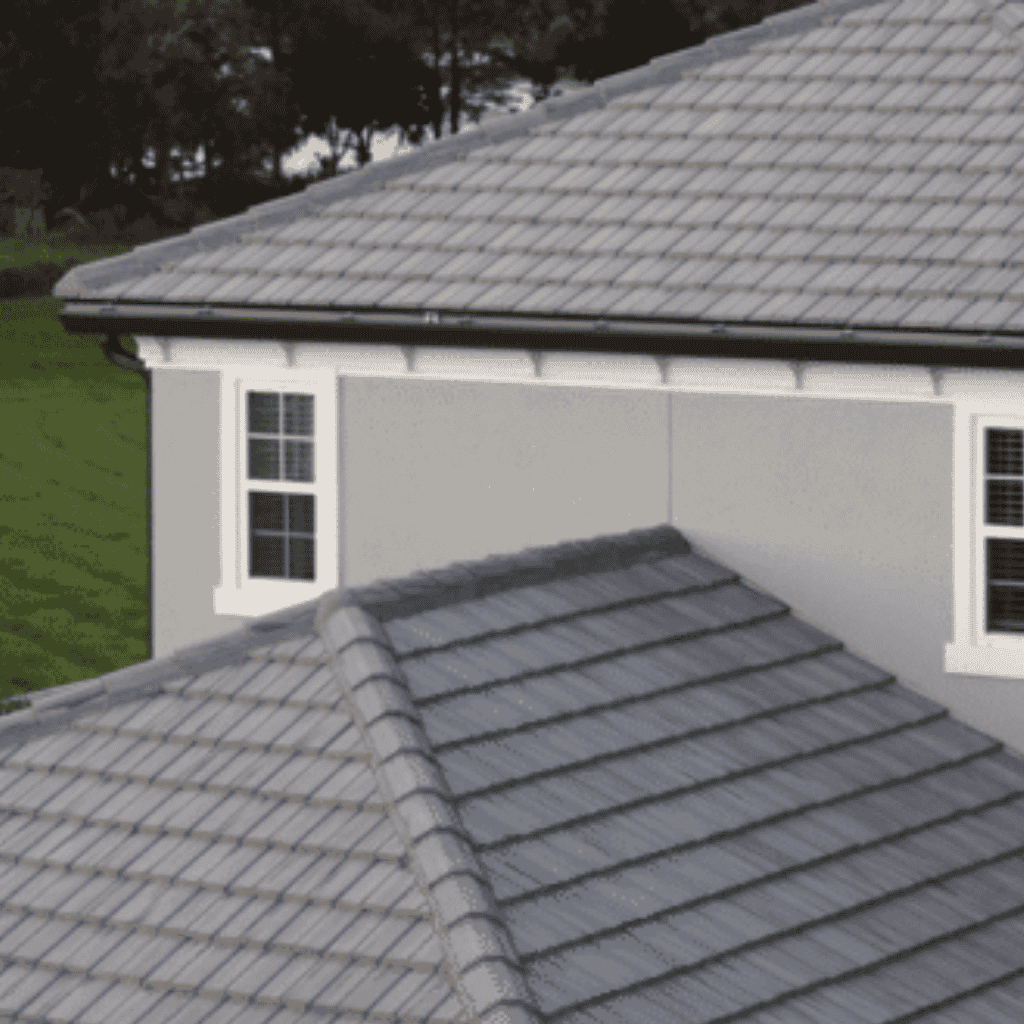
Ghana’s weather is all over the map, from the warm-humid areas like Kumasi to the hot-dry spots like Tamale and the coastal-hot savannah zones, including Accra. This mix of climates means that picking the right building materials, especially roofing, can be tough.
In Ghana, aesthetics are the main reason people pick different types of roofing materials. In fact, research found that 44% of Ghanaians would choose a roofing material solely on its look. Certainly, the way a roof looks matters, but should it be the sole determining factor?
We’ve witnessed roofs deteriorate shortly after installation due to harsh weather conditions. Roofs are not just there to make our homes look good; they serve as the first line of defense against the elements. In a climate as diverse as Ghana’s, where the weather can swing from hot and dry to warm and humid, and even coastal-hot savannah, the practicality of roofing materials becomes crucial.
Let’s delve into the top three roofing materials that not only offer visual appeal but also provide a robust shield against the challenges posed by Ghana’s varying climates:
1. Metal Roofing

One of the most resilient roofing materials for Ghana’s climate is metal. Metal roofs are typically made of materials like aluminum, steel, or zinc. Why does this matter? These elements offer a perfect balance of durability and reflectivity.
The durability of metal makes it resistant to corrosion, a key consideration in regions with high humidity and occasional heavy rains. Moreover, metal roofs are known for their longevity, often lasting for several decades.
The reflectivity of metal is another significant advantage in Ghana’s climate. While this sounds like a mouthful, it simply means metal roofs can bounce back a lot of the sun’s heat. This way, the building doesn’t soak up too much heat, and you don’t have to use as much energy for cooling.
It’s worth noting that the initial cost of metal roofing might be higher compared to some other materials, but the long-term benefits in terms of durability and energy efficiency make it a worthwhile investment.
Also, metal roofs, as sturdy as they are, can get a bit noisy when it’s pouring rain. If the sound of raindrops hitting your roof bothers you, there’s an easy fix – add some insulation. This not only minimizes the noise but also enhances the comfort of your living space, creating a more tranquil environment, even when the heavens decide to open up.
READ ALSO: The advantages of flat roofing for commercial buildings
2. Bitumen Roofing Sheets

Commonly known in Ghana as asphalt roofing, bitumen sheets are a premier choice for homeowners seeking a balance of modern aesthetics and tropical durability. These sheets are engineered by saturating a fibrous base, such as fiberglass or organic felt, with high-viscosity bitumen—a waterproof petroleum byproduct that creates a formidable shield against the elements. This material is particularly well-suited for the Ghanaian climate; it provides superior resistance to heavy seasonal rainfall and prevents the structural brittleness often caused by intense UV exposure. Beyond its resilience, bitumen is a cost-effective alternative to premium tiling, offering long-term value through its thermal insulation properties and noise-dampening qualities, which ensure a cooler, quieter, and more comfortable indoor environment.
3. Thatched Roofing

The primary draw of thatch is its unmatched visual appeal. Unlike industrial roofing sheets, thatch provides an organic texture and warmth that blends seamlessly with the Ghanaian landscape.
-
A Living Legacy: This architectural style is deeply rooted in our history. A prominent example is the rounded huts commissioned by President Kwame Nkrumah at the Bagabaga Training College. These structures prove that thatch is not just “rustic”—it is a symbol of cultural richness and architectural durability.
In a tropical climate where temperatures often soar, thatch acts as a high-performance natural insulator.
-
Thermal Regulation: The dense layers of dried vegetation create a natural thermal barrier. This keeps interiors significantly cooler during the day, and traps heat during cooler nights.
-
Energy Efficiency: By choosing thatch, homeowners can maintain a comfortable living environment while drastically reducing their reliance on expensive, energy-consuming air conditioning units.
If you are looking to minimize your environmental impact, thatch is one of the “greenest” building materials available.
-
Renewable Materials: Unlike metal or plastic-based roofing, thatch is biodegradable and renewable.
-
Low Carbon Footprint: Materials are often locally sourced in Ghana, which minimizes the carbon emissions typically associated with long-distance transportation and industrial manufacturing.
READ ALSO: Stop the Leaks: Why Roofing Companies in Ghana are Switching to Stone-Coated Tech
Choosing the Right Roofing Material for Ghana
In the end, picking the right roof material is all about what you want and need for your home. Of course, it’s a good idea to talk to roofing experts to figure out what works best for your budget, the weather in your part of Ghana, and how you want your house to look.
At Rosa Roof, we take great pride in guiding our clients through the process of choosing the perfect roof for their buildings. We understand that selecting the right roofing solution is a significant decision, and our mission is to make this journey as seamless and informed as possible. We go beyond this to get the job done for you—and without hassle.
Want to know if a flat roof is the right choice for you? Shoot us a message so we can talk about the best roof fit for your building.